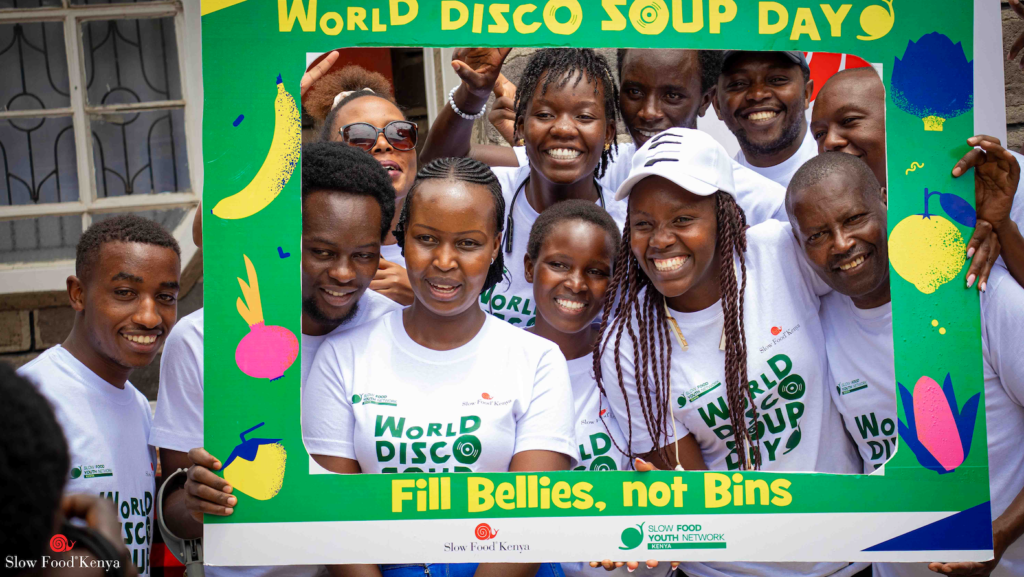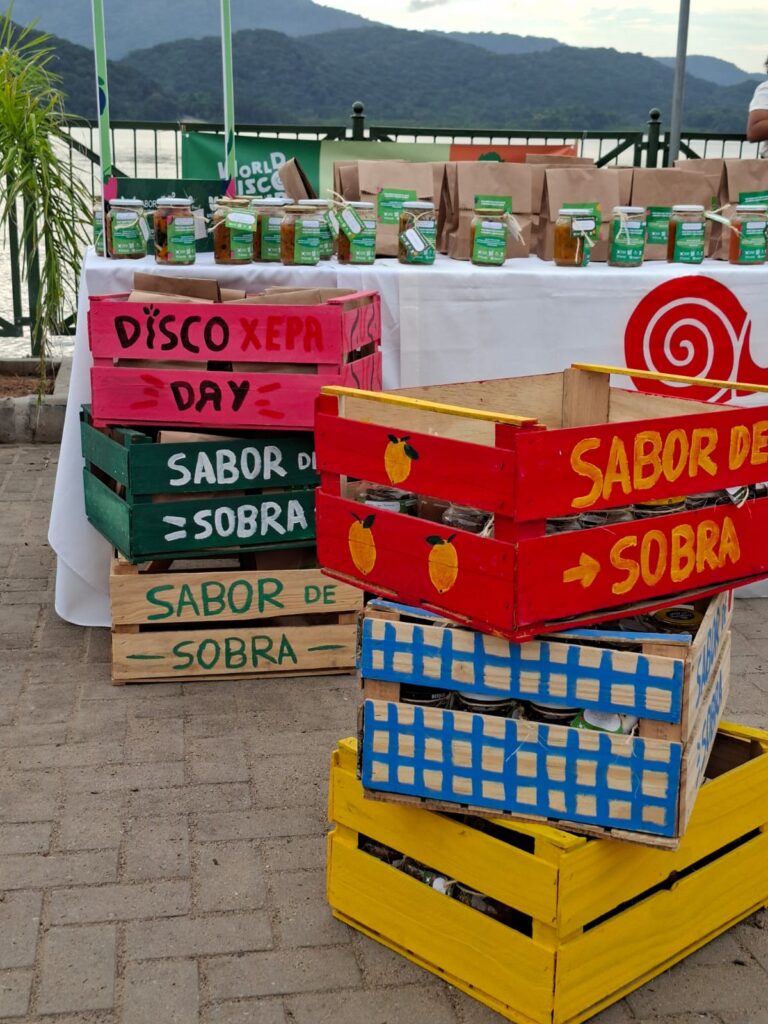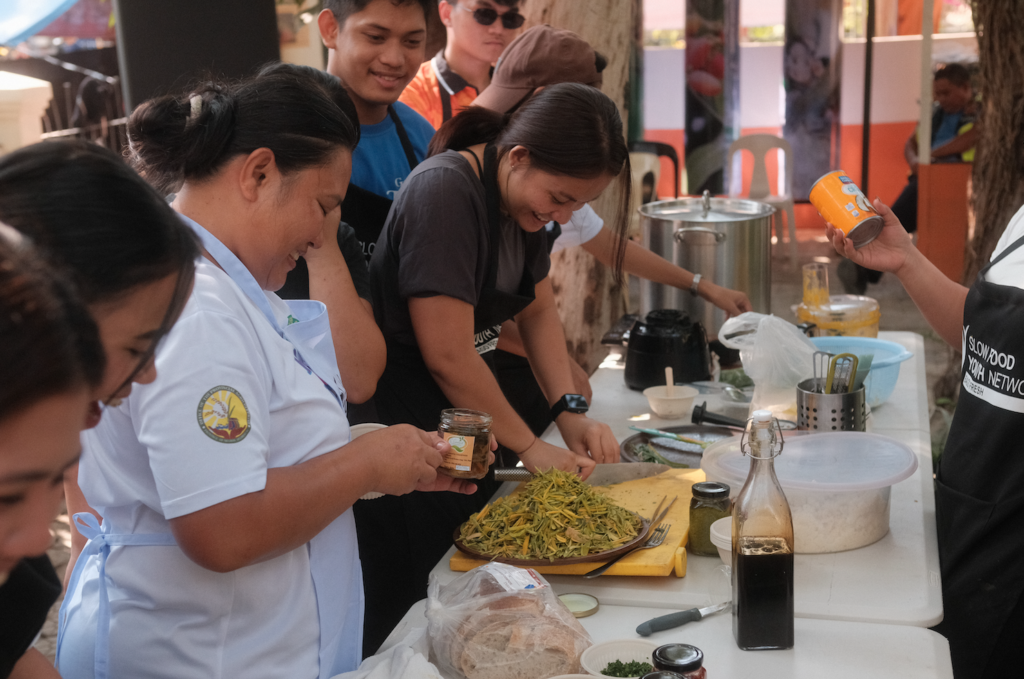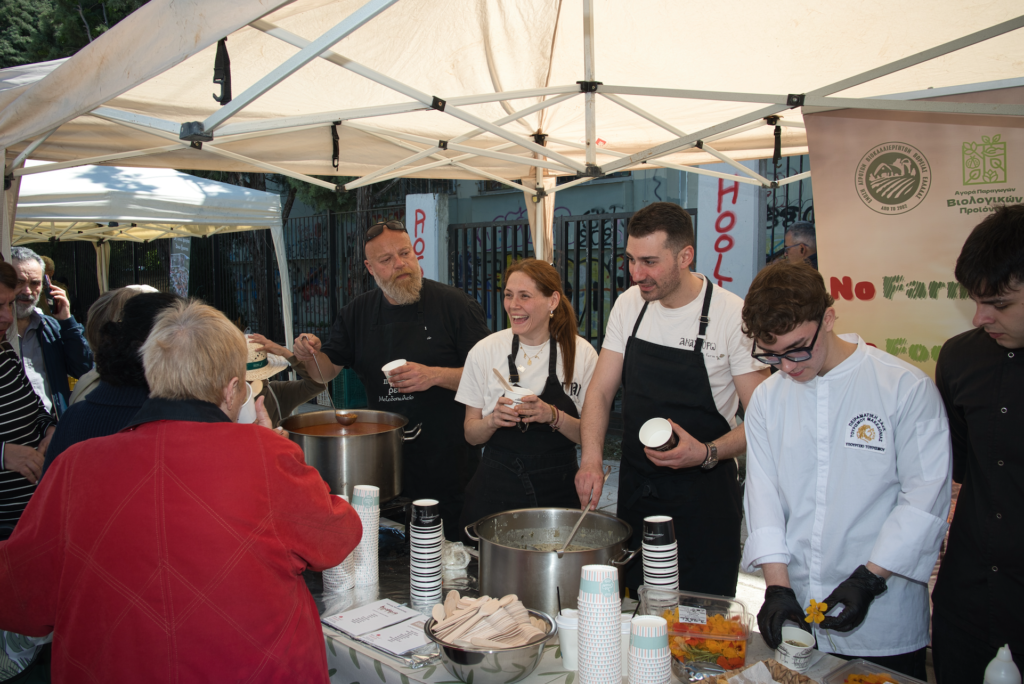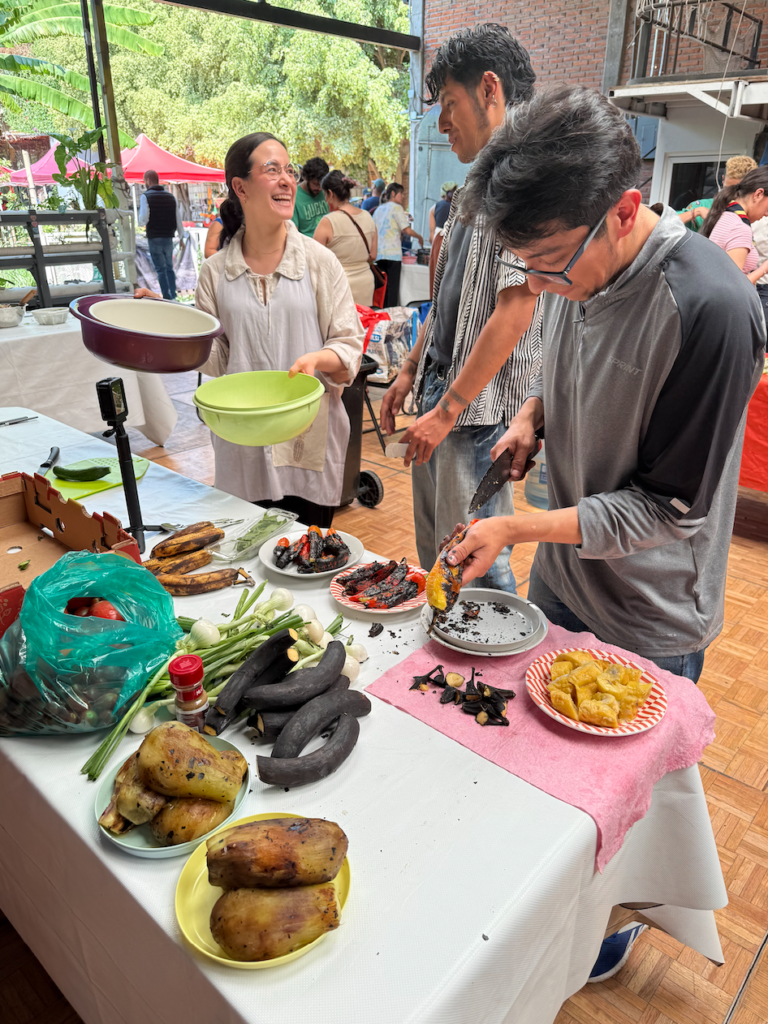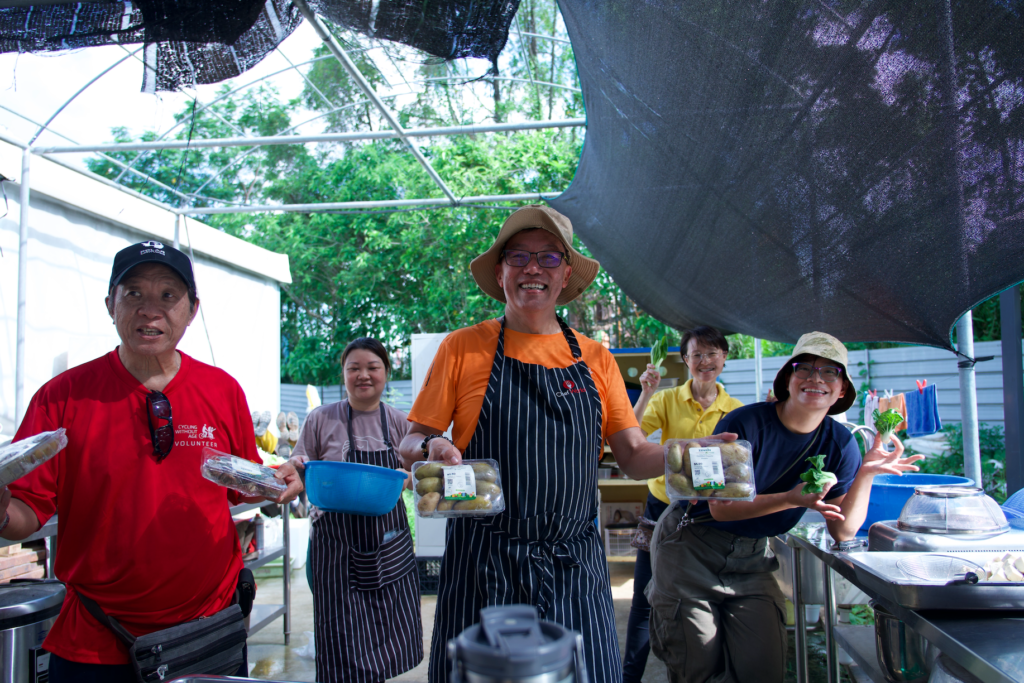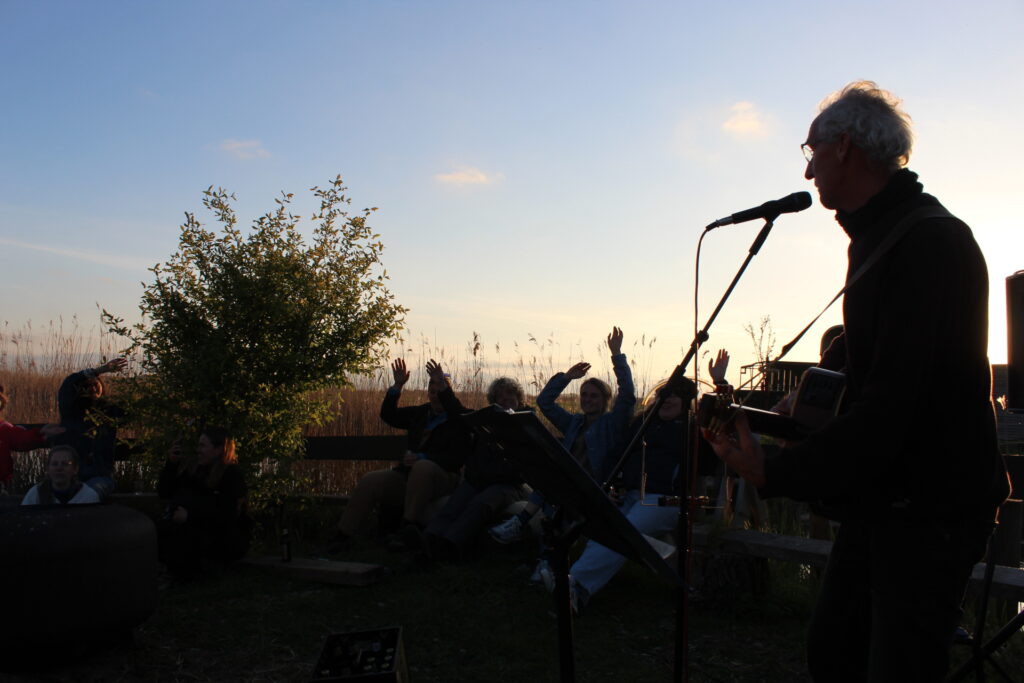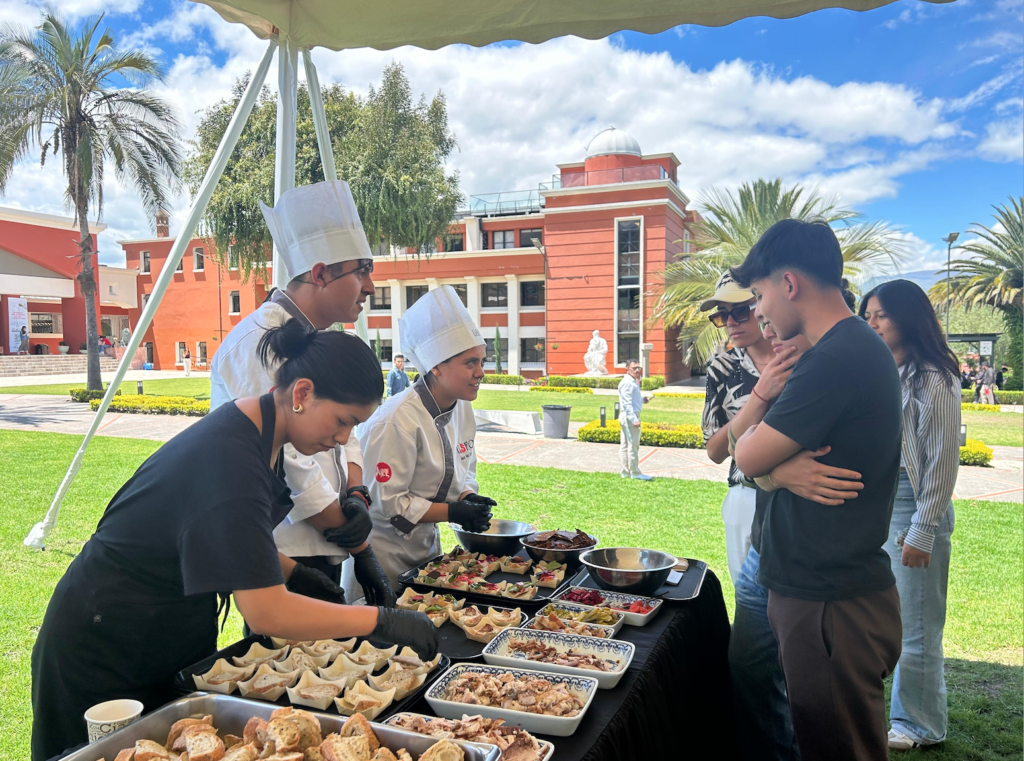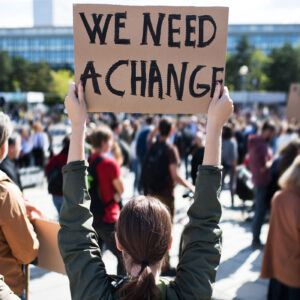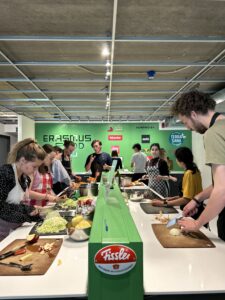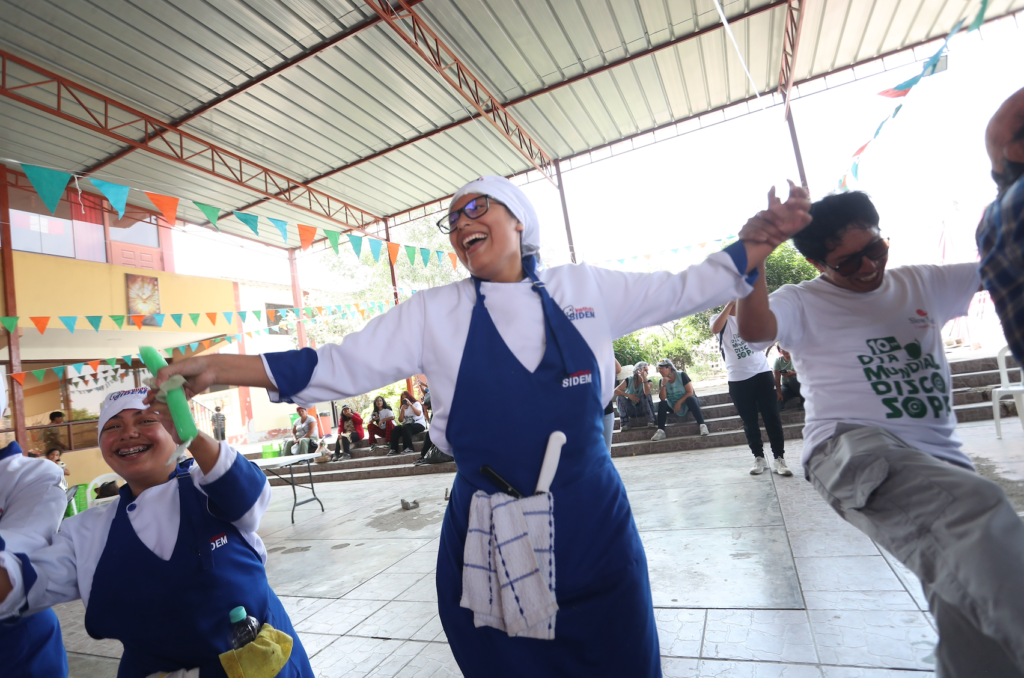


Marking its 10th anniversary, this year, more than 80 Disco Soups were organized across over 30 countries, transforming public squares, farms, universities, community kitchens and gardens into spaces of celebration, resistance and collective care. From Peru to Uganda, from Iceland to the Philippines, communities gathered around rescued food to cook, dance, learn and imagine more just food systems together.
The numbers speak for themselves: around 600 organizers and more than 1,400 volunteers joined forces globally, with over 10,000 people directly participating in Disco Soup events worldwide. Together, they rescued almost 6 tonnes of food and served or redistributed between almost 10,000 meals.
But beyond the numbers, World Disco Soup Day is about stories, stories of communities reconnecting through food, of intergenerational knowledge being shared, and of waste being transformed into abundance. This year, a mention needs to be given to Africa and South America who stood out with particularly vibrant and numerous participation, showing how local action can create global impact.
Stories from Around the World
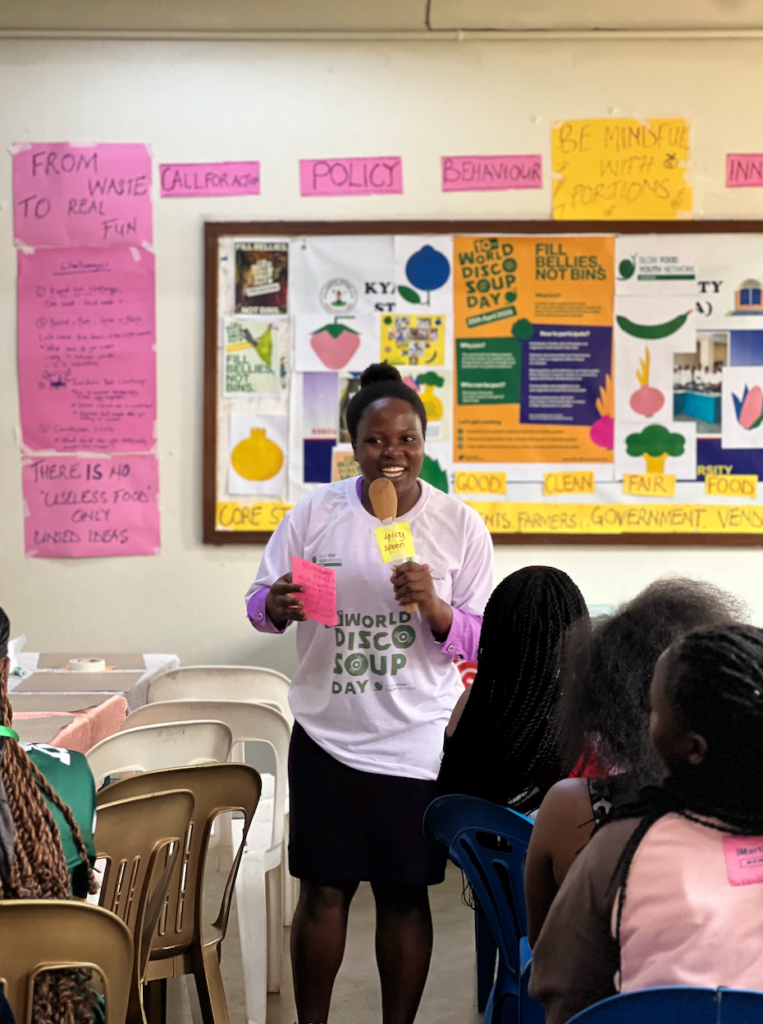
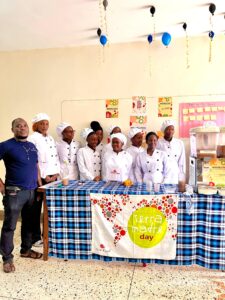
At Kyambogo University in Kampala, Uganda, students and volunteers rescued 50 kg of fruits and vegetables from local markets and turned them into shared meals during a lively Disco Soup filled with music and discussion. Alongside cooking together, participants exchanged practical ideas on reducing food waste at home and in restaurants, including composting with biodigesters and, as an alternative, reusing scraps for animal feed. With the addition of a good online reach, the event helped spread the message that food waste can become an opportunity when communities work together.
In Pachacamac, Peru, more than 70 volunteers joined Slow Food Lima, Cáritas Lima and local community kitchens to organize one of the largest Disco Soups of the year. Together, they rescued more than two tonnes of food from public markets and transformed it into 3,285 meals distributed across the community. One of the most striking recoveries was an entire tonne of plums, which became fresh snacks, desserts and nectars for children and families. What could not be cooked was redistributed directly to local residents and community kitchens, ensuring that nothing went to waste.
In Bogotá, Colombia, more than 30 volunteers, including students, parents and local producers, gathered at the Slow Food Market to cook a full menu using rescued ingredients that were no longer considered suitable for sale. Broccoli stems became fritters, bread scraps turned into croutons, and leftover organic waste was collected for composting workshops. Throughout the day, participants cooked, learned and ate together while discussing food waste, composting and local biodiversity, showing how rescued food can create both meals and community connection.
Across all these stories, one thing becomes clear: Disco Soup is not simply about cooking rescued food. It is about rebuilding relationships with food, with each other, and with the territories we inhabit. This year’s World Disco Soup Day showed that fighting food waste can also mean creating joy, dignity and belonging. Around the world, communities proved once again that another food system is not only necessary, it is already being cooked into existence.