

Fermolution, a revolution through ferments, is an invitation to reconnect with local food traditions and rediscover fermentation as a living practice that carries culture, memory, and community. During Terra Madre Day 2025, 10th December, Fermolution came alive across different parts of the world in all sorts of spaces, from private kitchens to community spaces and universities. Each place brought its own ingredients and stories, showing that while fermentation is universal, it is never the same twice. Fermolution revealed its power as a connector, linking fermenters, communities, and practices across borders through shared knowledge and collective curiosity.
At the heart of this global moment was also a shared reflection. During the Circular Fermentation talk, hosted by Fermenthings, Yannick brought together voices and ferments from across the globe in a collective online gathering. Like fermentation itself, the lecture explored how change takes time, care, and collaboration. Using fermentation as a metaphor for transformation, social, cultural, and ecological, the session connected microbes to circular thinking, showing how simple, hands-on practices can lead to slow, creative, and connected change.
Below, we share some stories of how Fermolution unfolded in different contexts, showcasing some spaces and people who made it happen.
Nigeria
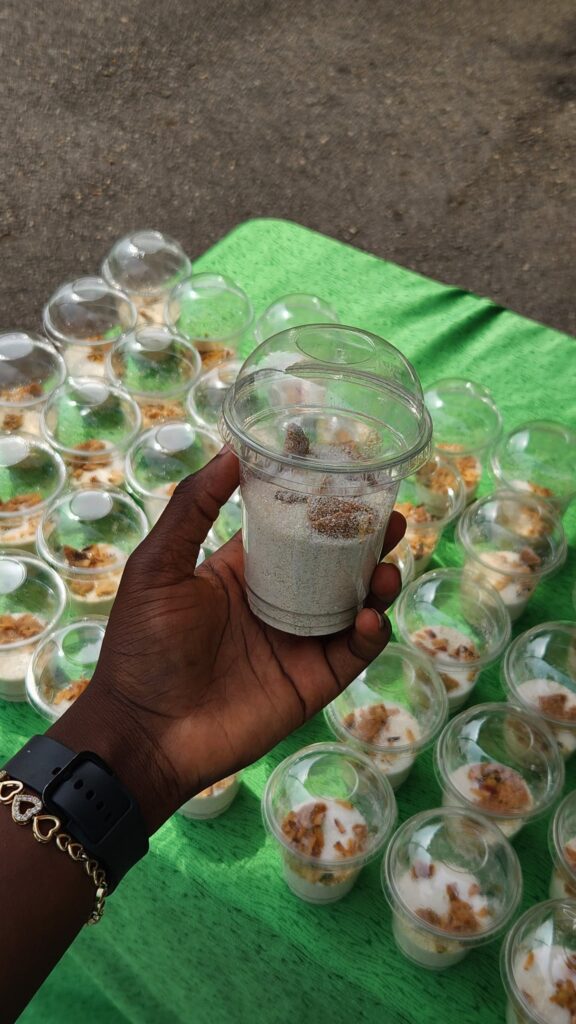
In Nigeria, Fermolution was part of Naija Terra Madre Day, where it accompanied the launch of the Cooks’ Alliance Nigeria. The session ran throughout the day and exceeded expectations in turnout and engagement. Although fermentation is deeply embedded in Nigerian food culture, the session revealed how easily it can be taken for granted. Fermolution helped participants see familiar practices with new eyes. People went home with their own jars, and many followed up with questions and curiosity to start fermenting on their own.
Alongside hands-on ferments like tepache, sauerkraut, and kombucha, traditional foods were celebrated and tasted: garri (fermented cassava flakes), masa (fermented rice balls), and sinasir (fermented rice pancakes). A dedicated garri bar invited people to enjoy it soaked in cold water, sugar, milk, peanuts, and crunch, a reminder that fermented foods are both everyday nourishment and cultural celebration. The impact didn’t stop there: the team was invited to bring Fermolution to a rural event the following weekend, signalling how quickly the practice can travel when it resonates.
Lesotho
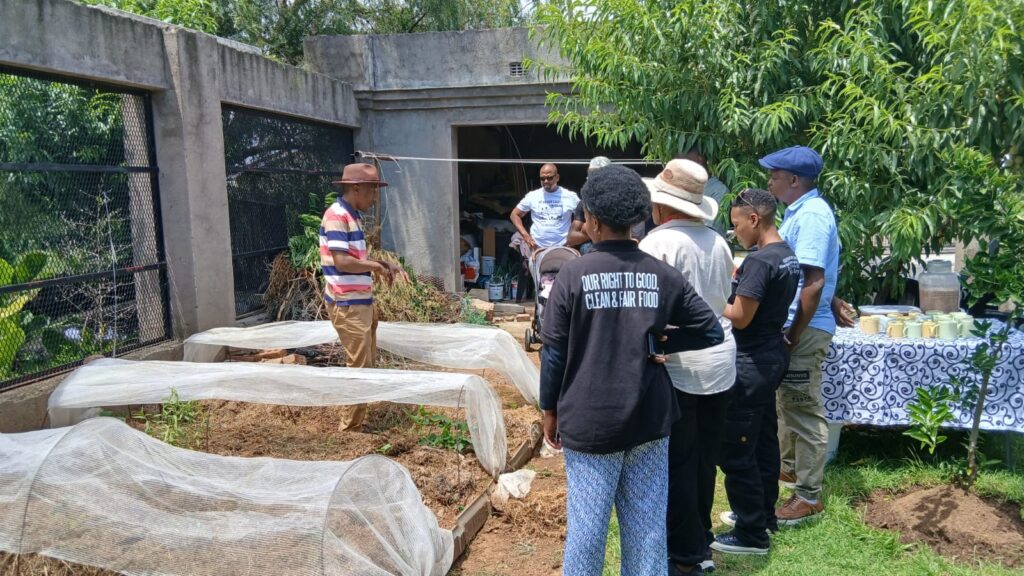
In Lesotho, Fermolution took place during a community farm picnic led by SFYN activist Lerato, where the featured ferment of the day was signature sourdough bread. The gathering created a relaxed and welcoming space where fermentation became a gateway to deeper conversations about local ingredients and slow, traditional food processes. Participants explored how fermentation has long been part of everyday life, even if not always named as such.
Austria
In Austria, Karin and the Fermentista community prepared seasonal ferments that were later distributed at the Christmas market at Fort Kniepass. The focus was on festive drinks, including oxymel and vinegar-based ferments made with oranges, lemon, and ginger sourced locally from Salzburg. By linking fermentation to celebration and seasonality, the event showed how traditional practices can naturally fit into contemporary rituals.
Ecuador
In Ecuador, Fermolution was hosted at the Universidad San Francisco de Quito (USFQ) through a session titled Chichas del Ecuador. Students and participants explored three traditional chichas from different regions of the country: the Andean highlands, the Amazon, and the coast.
Approaching chicha from both a gastronomic and anthropological perspective, the session combined preparation, tasting, and storytelling. Participants prepared and degustated chicha de jora from the Andean region, made by Miriam Paredes, agroecological producer and herbalist, invited as a special guest, alongside chicha de yuca from the Amazon and chicha de maíz y maní from the coast, elaborated together with students.

Kenya
In Kenya, Fermolution took the form of a Ferment Fiesta, celebrating traditional living foods deeply rooted in local culture. Participants, led by Monicah, prepared Muratina (a traditional brew), Ucuru wa Mukio (fermented porridge), and Mursik (fermented sour milk). The event documented these ferments as a symbol of cultural agility and renewal, used in key ceremonies and family gatherings, reminding participants that fermentation is inseparable from identity, land, and history.
The Netherlands
In The Hague, Fermolution found a home at Jar48 with a hands-on Turşu session, a celebration of Turkish pickling traditions. Participants gathered with local vegetables and clean jars to prepare their own Turşu while exchanging stories and techniques. The session reflected Esma’s, Jar48’s founder, motivation: spreading fermentation culture through local ingredients, shared learning, and the celebration of diverse food traditions.
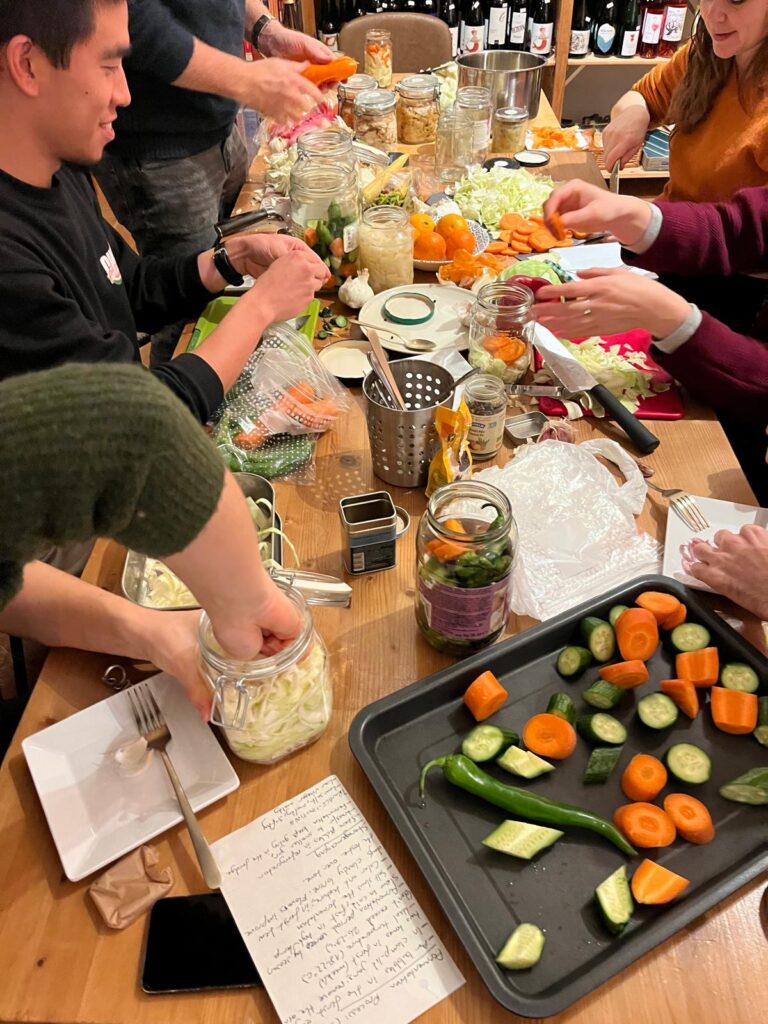
Meanwhile in Rotterdam, Saskia, forager for Bar Bocht, guided participants through a fermented drinks degustation. Following the rhythm of the seasons, she wild-picks herbs, flowers, fruits, and mushrooms, bringing local flavors that are often overlooked back to the table. Through tasting, fermentation became a way to reconnect with landscape, seasonality, and place.
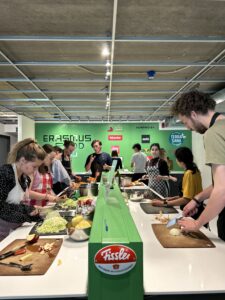
Always in Rotterdam, Fermolution entered the classroom at Erasmus University College through a post-colonial theory case on tepache, a lightly fermented pineapple drink. Students explored the colonial history of fermentation, once seen as unhygienic or “unmodern”, alongside its recent rebranding as a trendy, commercial product. The case used fermentation as a lens to question power, narratives, and cultural appropriation within food systems.
Uganda
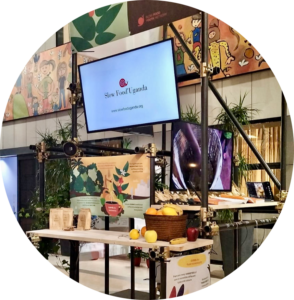
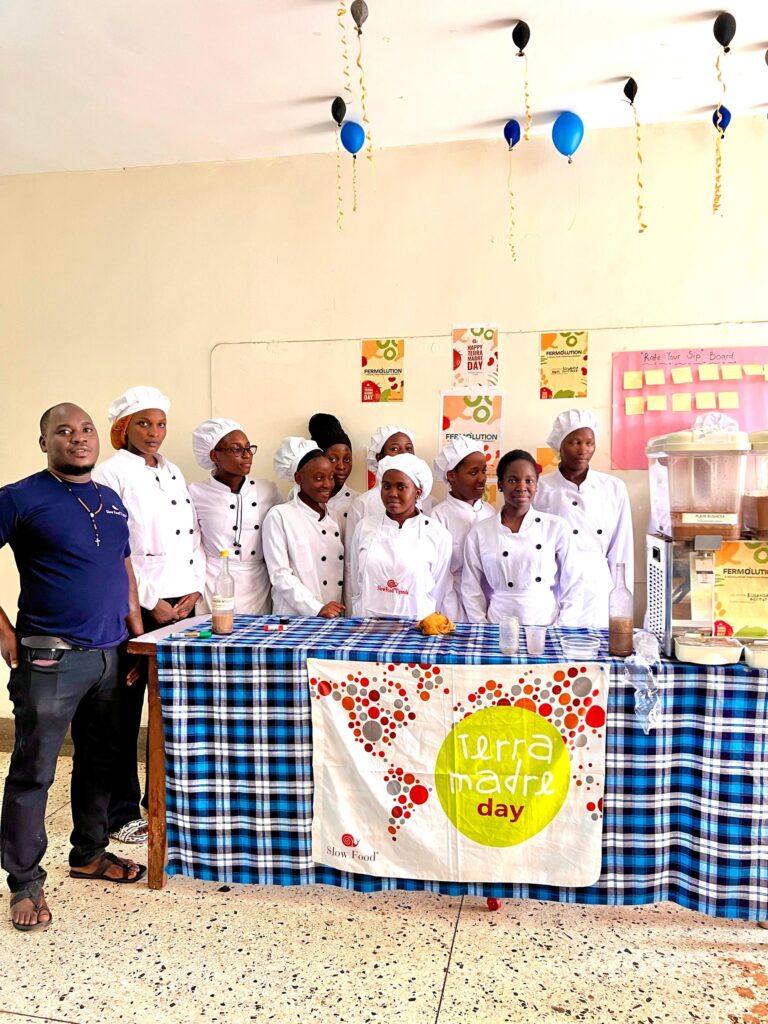
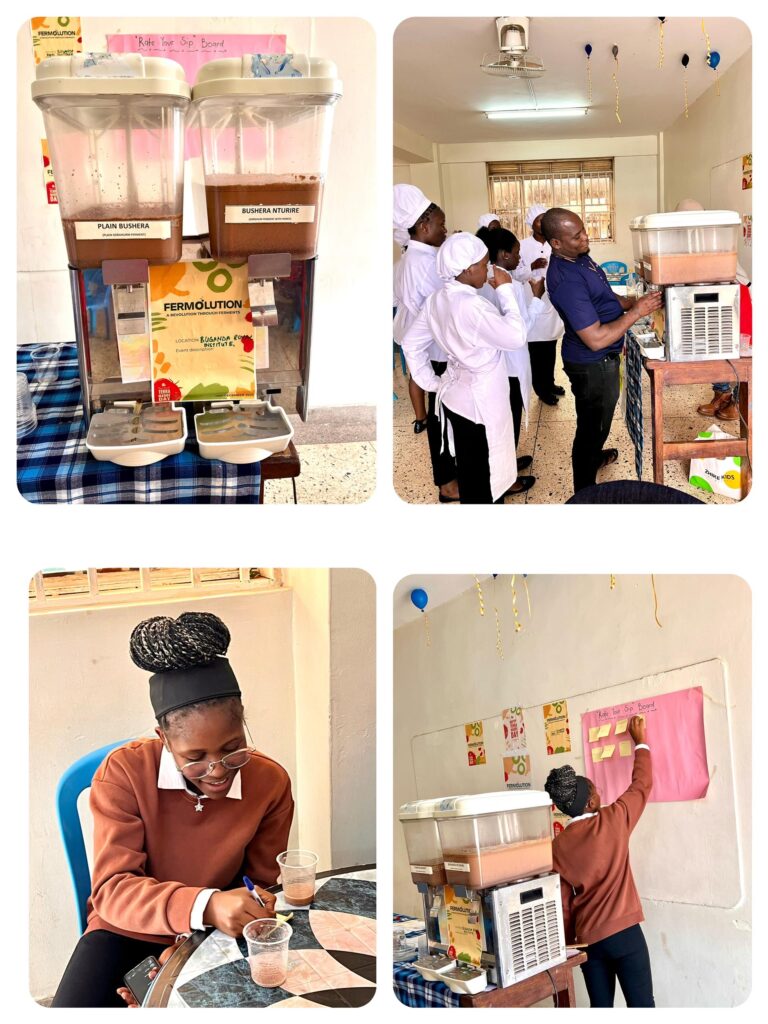
At the Uganda Royal Institute in Uganda, Fermolution was hosted by SFYN Uganda, led by Ronald. The highlight was an interactive tasting booth featuring Bushera–Nuturire, a traditional sorghum ferment from the Kigezi region.
Participants followed each step, from sorghum seeds and flour to mixing, fermentation, and tasting, and explored two versions of the same ferment, one with honey and one without, inviting comparison, discussion, and sensory discovery. Activities like Guess the Note, Taste the Journey, tasting cards, cultural mini-stories, and a lively tasting circle turned fermentation into a joyful, collective experience.
Mexico
In Mexico, Fermolution was celebrated through a festive, seasonal take on tepache. As part of Terra Madre Day, Lulu from Vive Kombucha and her community shared a navideño (Christmas) version of tepache, tepache de ponche, blending fermentation with the flavors of a traditional holiday drink. By fermenting ponche, a beverage closely linked to festive gatherings, the event showed how fermentation allows traditional and seasonal foods to be reimagined and kept alive.
Belgium
In Brussels, Fermolution continued through an alumni gathering hosted by Fermenthings, bringing together former participants, fermenters, and community members. The gathering created space to reconnect, exchange practices, and reflect on fermentation as both a personal and collective journey. Rooted in Fermenthings’ approach, where education, experimentation, and circularity meet, the alumni gathering reinforced Fermolution as an ongoing process rather than a one-off event: something that evolves, matures, and deepens over time.
Drawing from Fermenthings’ daily practice, where food waste becomes flavor and collaboration is as essential as microbes, the Circular Fermentation lecture explored what microbial ecosystems can teach us about cooperation and resilience. It showed how fermentation embodies circularity and zero-waste principles, and how these lessons can be translated into social and cultural systems facing today’s ecological challenges.
Hungary
In Hungary, the green sommelier hosted a Water Kefir Workshop, guiding participants through the process of making a probiotic-rich fermented lemonade. The hands-on session covered fermentation basics, flavoring with fruits and herbs, and caring for water kefir crystals. Participants left with practical knowledge, and their own ferment bubbling at home.
Turkey
In Adana, Fermolution highlighted two regional treasures: Tirşık soup and şalgam. Ms. Deniz guided participants through the fermentation of Tirşık, a wild herb unique to the region, while Slow Food Adana exhibitor Bilgin introduced the traditional purple carrot-based şalgam. Dietitian Duygu Özbay complemented the session by discussing the nutritional and health benefits of both ferments, linking tradition, taste, and well-being.
Colombia
In Colombia, Fermentandolotodo hosted a small and intimate workshop-dinner focused on fermented yuca (cassava). Combining foraging, fermentation, and shared eating, the event celebrated Colombian food culture through hands-on practice and storytelling.
France
In Paris, Fermolution took shape through the simple yet powerful act of sharing sourdough. Vanina, founder of L’École Comestible and Secousse Boulangerie, distributed sourdough starters, inviting people to take home a living culture and continue the fermentation journey in their own kitchens.
Rather than focusing on a single event, this Fermolution moment emphasized continuity: sourdough as something that travels, grows, and connects people over time. Each starter carried not only wild yeast and bacteria, but also knowledge: how to care for it, how to bake with it, and how to pass it on.
In the same week, in Bordeaux, Bartolo, founder of the École Professionnelle de Pizza et Panification and Capperi restaurant, guided his students through the craft of panification. Through hands-on activities, he shared the magic of fermentation rooted in his Italian heritage, bridging professional training with cultural roots and the importance of biodiversity in everyday food.
One practice, many expressions
Across continents, Fermolution showed that fermentation is not a trend, it is a shared human language, spoken through different ingredients, climates, and cultures. Whether through a single jar, a tasting booth, or a community picnic, each Fermolution moment created space for learning and connection.
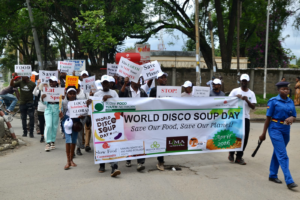
Missed Fermolution but still want to join a global campaign? On April 25th, World Disco Soup Day invites communities everywhere to turn food waste into long-lasting value. Through cooking, fermentation, and collective celebration, we act for the climate and shape the future of food.
P.S: If your Fermolution event or contribution is missing, or if you’d like to add more details, please reach out to us at silvia@sfyn.org. We’d love to keep this article growing, just like fermentation itself.